10/7/26
Three Years After October 7, Three Decades of Broken Promises -
Three Years After October 7, Three Decades of Broken Promises -
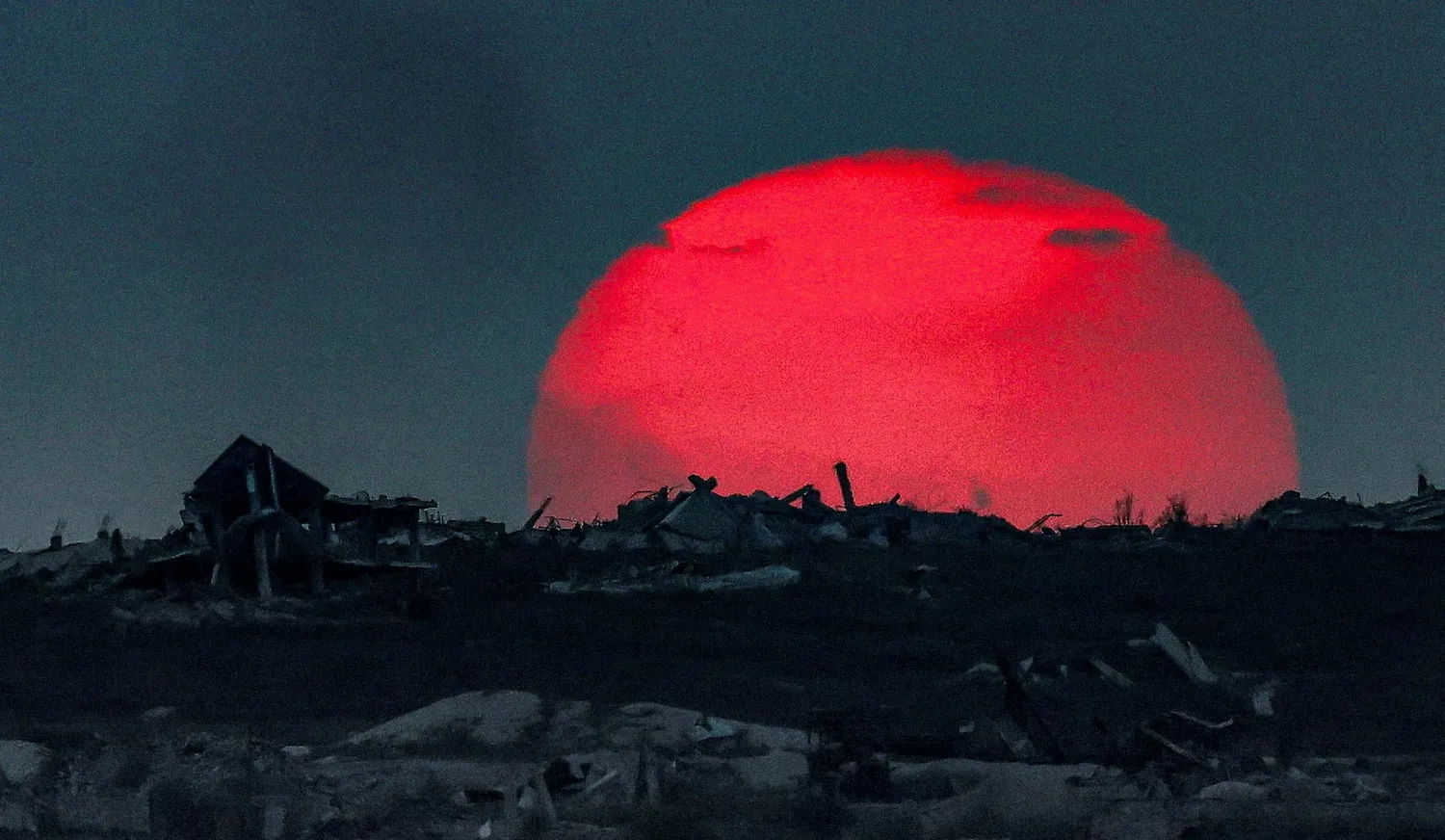
Sunset over the Gaza Strip. Credit: Jack Guez / AFP
On October 7, Benjamin Netanyahu promised Israelis peace with the Palestinians.
The year was 1996. Netanyahu was in his 40s, months into his first term as prime minister. Yitzhak Rabin had been assassinated less than a year earlier for pursuing peace through the Oslo Accords. That year alone, terror bombings on buses and at shopping malls inside Israel had killed 76 people. Israel was not yet 50, the occupation not yet 30. I just turned one year old.
"We truly want peace and will always want peace. We are not enemies of the Arab nation, nor of the Palestinians, nor of Islam," Netanyahu told the Knesset, calling negotiations for a permanent agreement "the principal task before us."
He was no dove. But even as he warned against Oslo and Palestinian leaders, he said: "Most of the public wants, as we do, to see the Palestinians living and prospering alongside us."
The Israeli Knesset on October 7, 1996.
Exactly 27 years later, Netanyahu was again prime minister when Israelis woke to the worst day in their country's history. Some 1,200 people were killed in the Hamas-led massacre – in their homes, at a music festival. Whole families erased. Hundreds abducted.
That evening, he promised to "strike them mercilessly and exact a powerful revenge," vowing to turn Hamas' hiding places in the "city of evil" into "ruins."
That time, he kept his promise. Tens of thousands of Palestinians were killed in Gaza.
On that October day at the Knesset in 1996, Shimon Peres had challenged the man who defeated him in the election to turn his "nice and poetic" words about peace into action.
"War exacts a heavy price, and so does peace," Peres told the Knesset. "But if we want to give the next generation a world without war, our generation must bear the agonies of war and make real decisions."
I am part of the generation those leaders promised to spare from war. My adult life is still being defined by it.
A deep and dark abyss separates the Israel of 1996 from the Israel of 2026, with 2023 as the lowest point between them. Its leaders no longer debate how to turn peace from words into action. They agree not even to utter the word. Most Israelis do not challenge this.
What is harder and more painful is to think about the wasted years and the blood spilled along the way. Peace lies buried in the graves of the families murdered on October 7, under Gaza's rubble and beneath decades of broken promises. Promises that have become so unrealistic and unpopular that they ceased to be made at all.
October 7 tested, and continues to test, Israel's viability. Netanyahu invoked an existential threat to conceal his unforgivable failure and justify his war of destruction. Yet Israel demonstrated that its power as a Jewish state faces no existential threat. That power has itself become the threat.
The path to and from October 7 demands that we ask what kind of existence is possible in Israel. It depends, however much Israelis deny it, on Palestinians' ability to exist too.
I saw a glimmer of hope today. On my way to work through an unusually quiet Tel Aviv, someone cycled toward me wearing a shirt that read, "Chaim Peri was right."
Peri was a grandfather, artist and peace activist who drove sick children from the Gaza border to Israeli hospitals. He was abducted from Kibbutz Nir Oz three years ago today and later killed in captivity. A photograph of him holding a protest sign has become a symbol: "Better the pains of peace than the agonies of war."
That was his testament to us – a generation promised peace and denied it by the very same leaders.